.png)
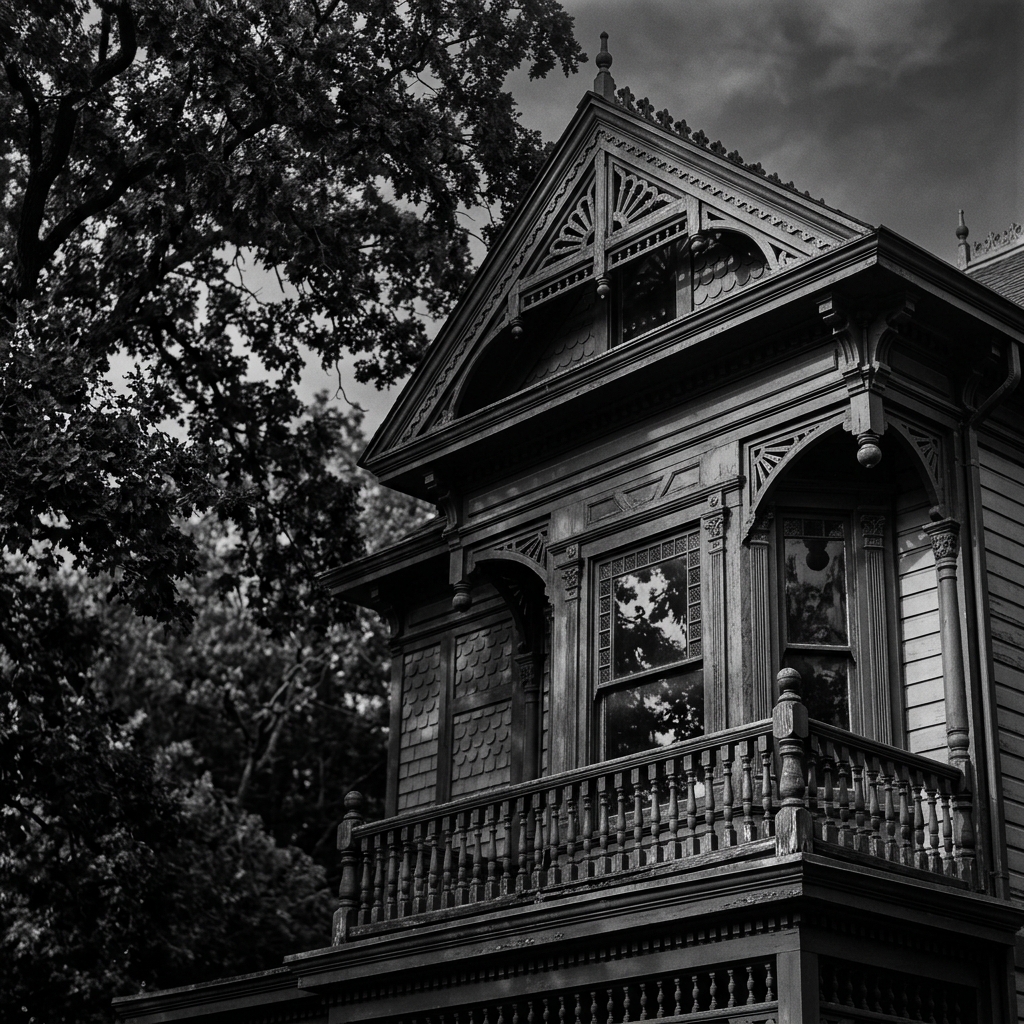
Portland is renowned for its rich architectural heritage, featuring neighborhoods dense with flawlessly preserved Foursquares, Queen Anne Victorians, and classic Craftsman bungalows. However, when these homes require a certified appraisal for estate settlement, specialized divorce division, or a complex tax appeal, standard valuation metrics routinely fall short.
The Double-Edged Sword of Historic Overlay Zones
Neighborhoods like Irvington, Ladd's Addition, and parts of the Alphabet District do not just contain old homes; they are officially governed by strict historic overlay zones. From an appraisal perspective, this introduces an incredibly complex dynamic that algorithms simply cannot process.
On one hand, a historic designation often commands a distinct market premium. High-net-worth buyers consistently pay more for proximity to preserved architectural charm. There is intrinsic value in the security of knowing the neighborhood's character cannot be easily demolished by developers building ultra-modern box homes next door.
On the other hand, these preservation zones carry draconian limitations. Historic overlays often strictly regulate exterior modifications, dictate the exact type of window replacements allowed (frequently requiring expensive custom wood-sash windows rather than standard vinyl), and block necessary structural expansions. If a homeowner needs to repair a decaying front porch, they cannot use modern, cost-effective composite materials; they must source period-accurate lumber.
An appraiser must carefully weigh the market's response to these restrictions. Does the prestige of the historic designation outweigh the financial burden of upkeep? The answer varies dramatically block by block.
Quality, Condition, and the Concept of 'Effective Age'
When appraising a historic home in Portland, an appraiser must adhere strictly to standardized condition and quality ratings (such as the UAD C1-C6 and Q1-Q6 ratings). A home built in 1910 has a chronological "actual age" of well over a century, but an appraiser calculates the "effective age" based on regular maintenance, foundational upgrades, plumbing retrofits, and electrical modernization.
A 110-year-old home that has been thoroughly updated to modern building codes—with seismically retrofitted foundations, new PEX plumbing, and a modern 200-amp electrical panel concealed behind original lath and plaster walls—will have a significantly lower effective age than a visually identical home relying on dangerous knob-and-tube wiring and a crumbling brick foundation.
Two homes next door to each other, built in the exact same year, can have effective ages separated by decades. This drastic divergence heavily impacts the final opinion of value.
The Scarcity of the Right Comparables
You cannot accurately appraise a meticulously restored 1920s Craftsman by comparing it to a 2010 subdivision build, even if they share the exact same square footage, bedroom count, and zip code. Buyers shopping for a piece of Portland history are not cross-shopping with new construction in the suburbs.
The appraiser must dive deeply into the local micro-market to find sales of similar historic provenance. This often requires expanding the search parameters geographically—perhaps comparing a historic estate in Irvington to another historic estate in Alameda—rather than settling for inappropriate modern comparables closer by.
Once the correct sales are located, the appraiser must make careful, quantitative adjustments for modernization, comparing the period-correct built-ins, original millwork, plumbing condition, and custom leaded glass. They must respect the inherent value of historical preservation while ruthlessly accounting for modern utility.
Relying on broad algorithms to value a historic Portland property is dangerous. It requires an independent professional capable of navigating the nuances of age, character, and compliance.