.png)
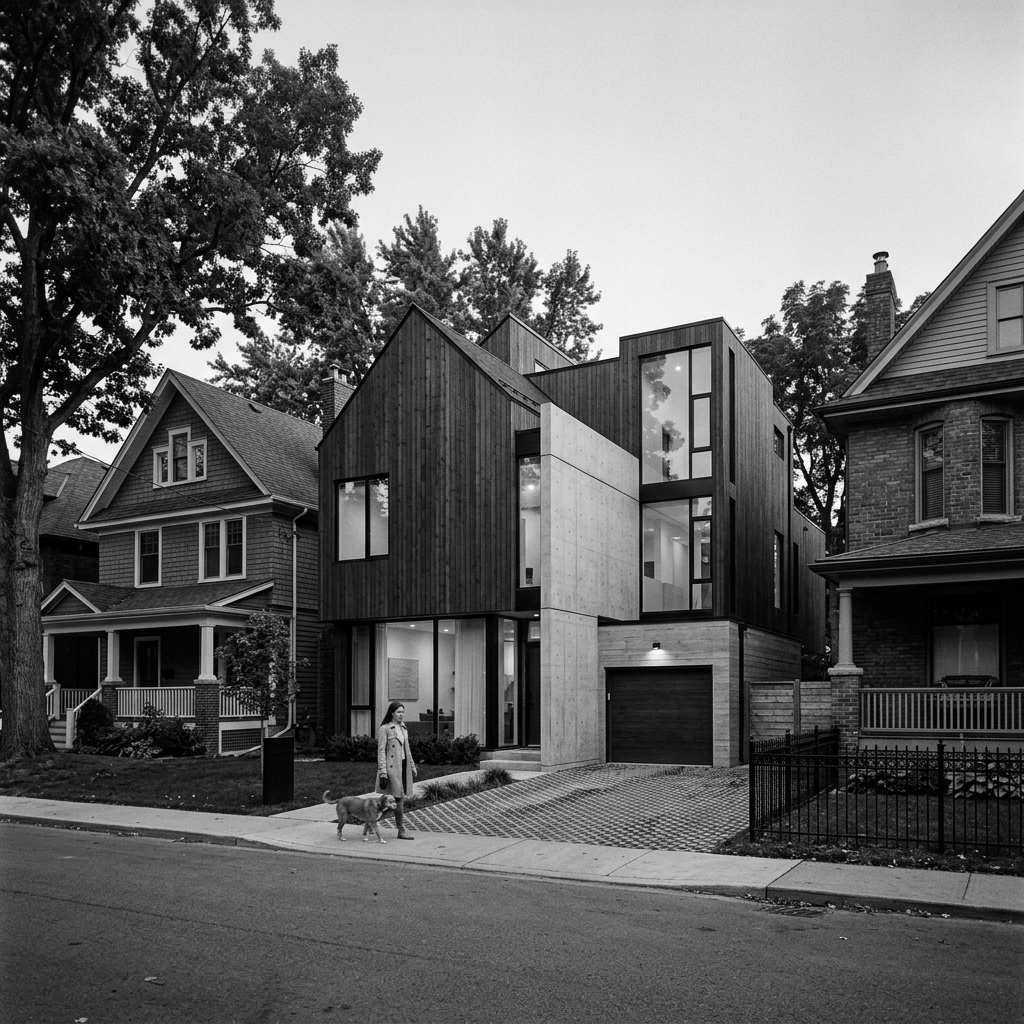
The greater Portland real estate landscape underwent a permanent, sweeping structural shift with the municipal implementation of the Residential Infill Project (RIP). By fundamentally changing long-standing zoning regulations to formally allow for duplexes, triplexes, and even fourplexes on lot parcels that were traditionally locked strictly to single-family housing, the city radically altered how real estate professionals must evaluate property potential.
For a certified appraiser, this massive regulatory shift elevates the critical importance of evaluating a property's "Highest and Best Use" above almost all other preliminary metrics.
Redefining Highest and Best Use in a New Era
Every single certified appraisal report—whether authored for a bank, an attorney, or a private homeowner—begins by firmly establishing the Highest and Best Use of the subject property. Under classical appraisal methodology, this is defined as the "reasonably probable and legal use of vacant land or an improved property that is physically possible, appropriately supported, financially feasible, and that results in the highest value."
Prior to the passage of RIP, a tired, single-family home sitting on a large 7,000-square-foot lot in Northeast Portland was legally constrained to remain a single-family home. Its value was inherently tied to its single-family utility. Today, under the new zoning, that exact same dirt may legally support a highly lucrative, multi-unit investment fourplex.
Moving Valuation Beyond the Existing Structure
An appraiser cannot simply look at a house in a total vacuum; they must actively look at the dirt it sits on and the municipal codes governing that dirt. If a small, functionally obsolete home sits on an oversized lot in a neighborhood where investors and developers are actively paying massive premiums to build dense infill housing, the Highest and Best Use has fundamentally changed.
In these cases, the Highest and Best Use is likely to tear down the existing structure entirely in order to redevelop the land to its maximum legal density. If the appraiser blindly values the property by comparing it only to other small single-family homes that are not appealing to developers, they are missing the underlying market dynamics drastically and failing their client.
The Necessity of Navigating Complex Transactions
For highly sensitive estate settlements and contentious divorce asset divisions, ignoring infill zoning potential can lead to a massive undervaluation of the asset. The appraiser must deeply analyze current Portland zoning codes, local market feasibility constraints, and raw developer demand to ensure the final value reflects the true, maximum potential of the lot under current regulations.
Accurately navigating the wake of the Residential Infill Project requires an appraiser who does not just look at comparables, but who stays deeply informed on hyper-local municipal coding and the rapidly shifting realities of the local developer market.