.png)
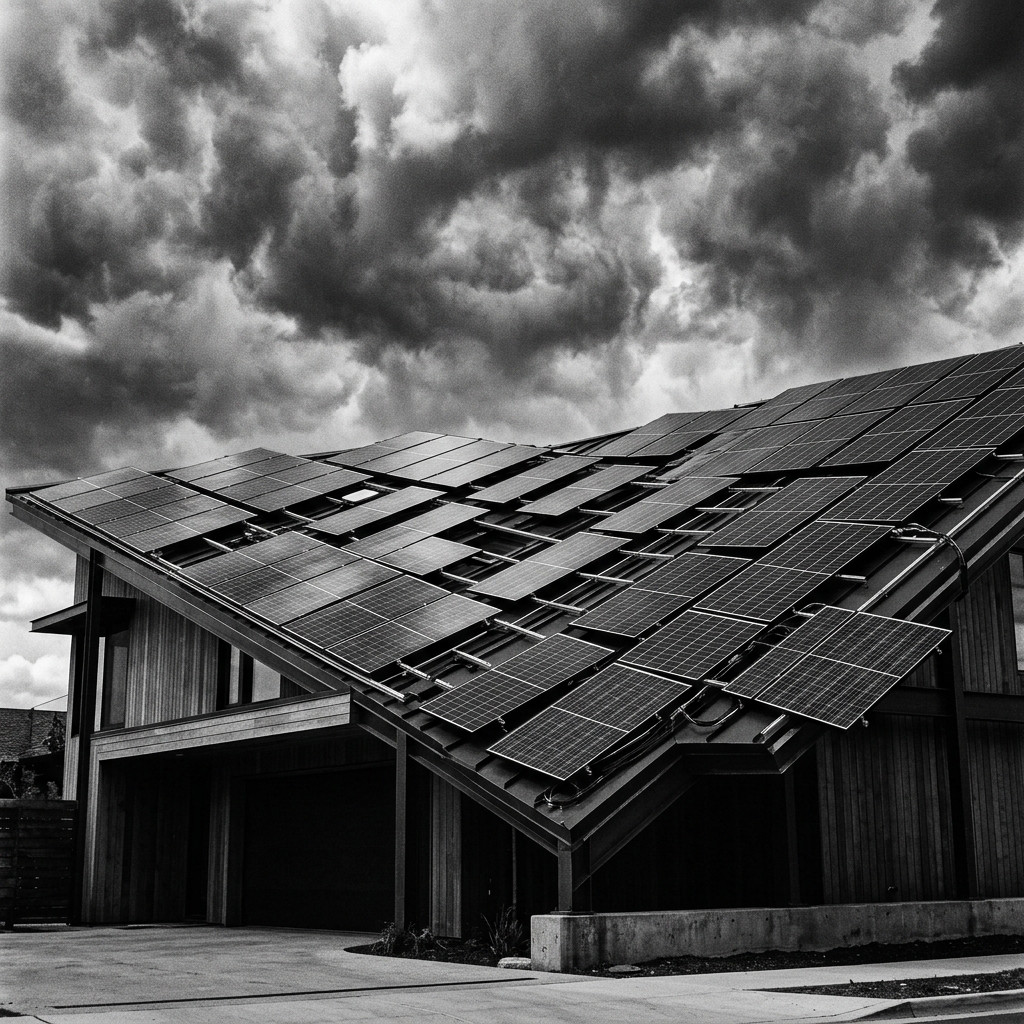
Portland has embraced rooftop solar at one of the highest rates in the Pacific Northwest. With Oregon's favorable net metering policies, federal tax credits, and the region's growing commitment to sustainability, thousands of homeowners have invested in photovoltaic systems over the past decade.
But when it comes time for an appraisal, homeowners frequently ask: does my solar installation actually increase my home's appraised value?
The answer is nuanced. It depends on ownership structure, system age, documentation, and how the local market perceives solar energy.
Owned vs. Leased: The Critical Distinction
The single most important factor in how solar affects your appraisal is whether you own the system outright or whether it is leased or financed through a power purchase agreement.
Owned systems are a property asset. The appraiser can assign contributory value based on the system's capacity, age, condition, and the energy cost savings it generates. An owned system is yours, it transfers with the home, and it provides measurable financial benefit to the next owner.
Leased systems are a liability, not an asset. The lease is a financial obligation that the buyer must assume or the seller must buy out. Many buyers and lenders view solar leases negatively. The appraiser cannot add value for a system the homeowner does not actually own.
If your solar panels are leased, understand that the appraisal will likely not reflect any positive value contribution from the installation.
How Appraisers Quantify Solar Value
For owned systems, appraisers typically use one or more of the following approaches:
- Income approach: Calculate the present value of future energy savings over the system's remaining useful life. A system that saves $150 per month in electricity with 15 years of remaining life has quantifiable economic value.
- Cost approach: Consider the depreciated replacement cost of the system. A $25,000 installation that is five years old with a 25-year warranty has significant remaining value, though not the full original cost.
- Sales comparison: Analyze whether comparable homes with solar have sold at a premium compared to similar homes without solar. In Portland's market, this data is increasingly available.
The Appraisal Institute has published specific guidance on valuing green energy features, and experienced appraisers follow these methodologies carefully.
Documentation That Matters
If you have solar panels and an appraisal is coming, gather the following:
- Original installation contract showing total cost and system specifications
- Warranty documentation, including panel warranties and inverter warranties
- Proof of ownership (not a lease)
- Recent energy production data from your monitoring system
- Utility bills showing net metering credits or energy cost reductions
- Any applicable permits and interconnection agreements with your utility
This documentation allows the appraiser to build a data-driven case for the system's contributory value rather than relying on estimates.
Portland-Specific Considerations
Portland's solar market has matured enough that appraisers increasingly have comparable sales data to work with. However, several local factors influence the analysis:
- Oregon's climate: Portland receives less annual sunshine than markets like Phoenix or Denver. System output is lower, which means the income approach yields a more modest value contribution.
- Net metering policies: Oregon's current net metering framework allows homeowners to offset electricity costs effectively. Changes to these policies would directly affect the economic value of the system.
- Buyer awareness: Portland buyers tend to be more environmentally conscious than the national average, which can support a modest market premium for solar-equipped homes.
The Bottom Line
Owned solar panels on a Portland home generally contribute positive value to an appraisal, but the contribution is almost never equal to the full installation cost. A well-documented, properly permitted, owned system in good condition can add meaningful value. A leased system, an aging system with no warranty remaining, or a poorly documented installation may contribute little to nothing.
At Bernhardt Appraisal, we evaluate solar installations with the same rigor we apply to every property feature. We follow Appraisal Institute green energy guidelines and base our conclusions on market data, not assumptions. If your home has solar, we will ensure it is properly accounted for in your valuation.